A Side Table for the Things You Actually Reach For
Choose a side table by matching its surface, height, reach and visual weight to the objects you use in that spot, not just the room’s style.
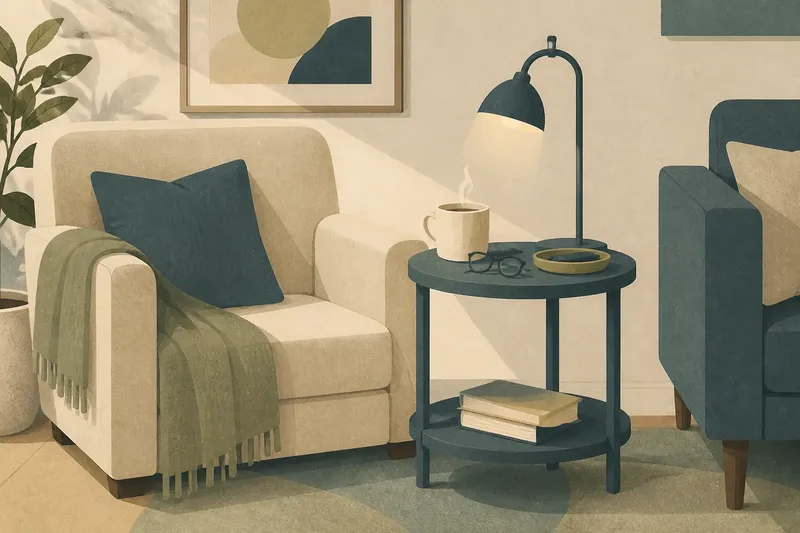
A side table earns its place beside a sofa or chair by holding what you reach for without making the spot feel crowded. To choose a side table, start with the objects that belong there, then consider how your hand moves toward them and how much visual weight the piece will add.
That order helps separate a useful table from one that merely looks right in a product photo. It also clarifies what the table needs to do—and what it does not need to do.
What will the table hold?
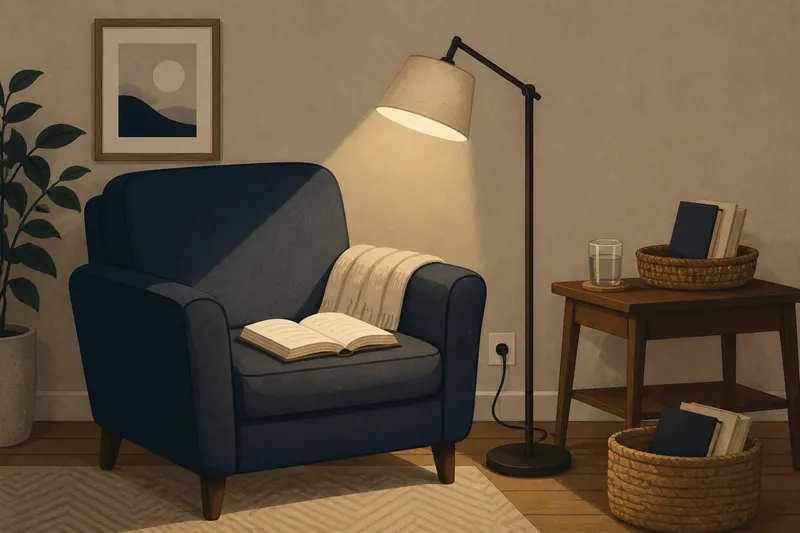
Think about the spot at the time you use it. A chair used for reading may need room for a drink, a book and reading glasses. A sofa corner used for conversation may need only a cup and a small dish for a remote. The table’s job should follow the routine, not an imagined version of it.
List the objects you reach for there, including anything that needs to stay within easy reach. Notice whether an item is used alone or alongside another. A mug and a coaster need a shared landing area; a phone and its charging cable may need an edge that lets the cord fall without being pinched.
Separate regular occupants from occasional ones. A folded throw or a stack of mail might appear from time to time, but that does not mean the everyday table must accommodate both. If an object has another natural home, avoid sizing the table around its temporary visit.
Say you read in a deep armchair and usually set down a mug, paperback and glasses. A small round top might suit the cup and glasses, while the book can rest on a lower shelf when you pause. The expected result is a surface that supports the reading routine without requiring every object to occupy the top at once.
How much surface area is enough?
Imagine the objects arranged as they are used, rather than laid out in a neat row. The drink needs a stable place. Glasses should not sit where a turning elbow can brush them. A book may need to lie open, or it may be fine on a shelf below. Those choices determine useful surface area better than the table’s overall width alone.
Use paper or painter’s tape to mark a possible top on the floor or on a temporary surface beside the seat. Place representative objects inside the outline. This makes it easier to see whether the arrangement feels cramped and whether the table intrudes into the space needed by your legs or a nearby door.
Consider the top’s shape as well as its area. A round table has no corners to catch a sleeve, and can soften a seat with strong straight lines. A square or rectangular top can make better use of a narrow space beside a sofa. An oval top may provide a longer landing area while keeping its ends rounded.
Open shelves and drawers offer different kinds of storage. A shelf keeps a book or folded throw visible and easy to retrieve, but it can add visual activity. A drawer hides small items such as coasters, yet requires you to open it whenever you need them. Pick storage for the items you truly want to keep at that seat.
How should the height relate to the seat?
Check the table from the position where you will use it. A surface that looks well proportioned from across the room may feel awkward when you reach from a low sofa. For a drink or phone, aim for a top that is easy to reach without leaning far forward or lifting your shoulder.
Compare the table with the seat cushion rather than relying on a general furniture rule. A cushion compresses when someone sits; a firm chair may not. If the table will serve more than one seat, consider which one uses it most and whether the other position can reach it comfortably.
Think about how objects leave the surface, too. A mug should be easy to lift without clipping an armrest. A lamp, if one belongs there, should not block the place where your hand needs to land. Keep the table’s primary use clear, especially when the top is small.
Will the table fit the reach?
Reach is not simply the distance between the seat and the table. It depends on where a person sits, how the armrest shapes the approach, and whether another object stands between the hand and the top. A wide arm or a sofa cushion that shifts can make a seemingly close table less convenient.
Before choosing a piece, sit in the usual position and reach toward the proposed location. Use a book or a box to represent the table if helpful. Notice whether you have to twist, lean, or move a cushion. Adjust the position until the main objects can be picked up and returned without a strained reach.
Leave enough room for the table to work alongside the seat. A top pushed tightly against an arm may be hard to use, while a gap that is too large can turn a simple reach into a forward lean. The best placement is the one that supports the actual movement without obstructing the seat.
What does visual weight change?
Visual weight is how substantial a piece appears, not only how much it weighs. A solid block-like base, dark finish or thick top can read as heavy. Slender legs, open sides and a light-toned finish tend to look less dominant, even when the table provides a similar surface.
Look at the nearby furniture before deciding how much presence the table should have. A low sofa with broad arms can pair well with a sturdy table. A delicate chair may look crowded beside a bulky pedestal. The aim is not to match every shape, but to choose a piece that feels in scale with its neighbors.
Also consider what the table will visually overlap. A solid base can obscure a patterned rug or make a narrow corner feel more filled. An open base allows more of the floor to remain visible. Neither is automatically better; choose according to whether the spot needs a grounded accent or a lighter outline.
Which details are worth checking before you choose?
- Everyday objects: Name what belongs there. If the list keeps growing, decide which items are occasional and do not size the table around them.
- Top shape: Check whether corners, curves or a long edge suit the seat and nearby passage.
- Reach from the seat: Try the proposed position while seated. Move it if you must twist or lean for the main object.
- Surface height: Compare the top with the cushion or armrest and consider how the seat changes when occupied.
- Storage: Choose an open shelf for accessible items or a drawer for things you prefer to conceal.
- Visual weight: Compare the base, finish and top thickness with the neighboring chair or sofa.
- Daily upkeep: Consider whether the material suits the objects placed there and the care you are willing to give it.
For material care, load limits and assembly, follow the product label or manufacturer’s instructions. That matters especially for finishes that may react to moisture or heat, and for tables with moving parts.
What questions help settle the choice?
Should a side table match the sofa?
It can coordinate without matching exactly. Similar scale or a shared finish may make the pieces feel related, while a different outline can keep the arrangement from looking like a set.
Is a small side table better than a large one?
Choose the smallest top that comfortably holds the objects used together. A larger surface helps when items need to sit side by side, but can dominate a compact seat area.
Does every side table need storage?
No. A simple top may work best when the objects are few and already have homes. Add a shelf or drawer only if it serves a specific item or keeps the surface from becoming cluttered.
Can one table serve two seats?
It can if both seats can reach the useful part of the top without leaning around an arm or another object. Test the position from each seat before choosing a shape or size.
When comparing options, return to the first decision: what will your hand need to reach from this exact seat? A side table that fits those objects, that reach and the surrounding visual scale will feel settled because it supports a real routine, not because it follows a matching rule. Keep that question in mind when choosing a side table, and decorative details become easier to judge.